

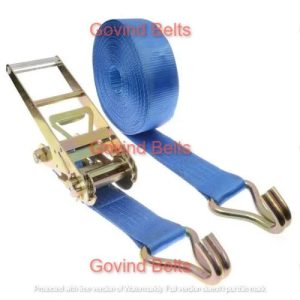
Tie-down straps, also known as ratchet straps or ratchet belts, are widely used for securing and fastening loads during transportation. They offer several advantages that make them popular choices in the logistics industry. Here are some advantages of tie-down straps or ratchet belts:
1. Load Security: Tie-down straps provide excellent load security by keeping the cargo tightly secured to the transportation platform, such as a truck bed or trailer. The ratchet mechanism allows for precise tensioning, ensuring a secure and stable hold on the load. This minimizes the risk of load shifting, damage, or loss during transit.
2. Versatility: Tie-down straps are highly versatile and can be used to secure a wide range of loads, including heavy or irregularly shaped objects. They are available in various lengths, widths, and load capacities to accommodate different cargo sizes and weights. This versatility makes them suitable for a variety of industries and applications.
3. Ease of Use: Tie-down straps are relatively easy to use, even for individuals without specialized training. They typically consist of a webbing material with a ratcheting mechanism that allows for simple and efficient tightening and releasing. This ease of use saves time and effort in the loading and unloading processes.
4. Adjustable and Reusable: Tie-down straps are adjustable, which means they can be easily adjusted to fit different load sizes and configurations. They can be lengthened or shortened as needed, ensuring a secure fit. Additionally, tie-down straps are reusable, providing cost savings over time compared to disposable securing methods.
5. Durability: High-quality tie-down straps are built to be durable and long-lasting. They are made from strong materials like nylon or polyester webbing, which have excellent tensile strength and resistance to abrasion. This durability ensures that the straps can withstand the rigors of transportation and provide reliable load securement.
6. Safety: Tie-down straps are designed with safety in mind. They often include features such as hooks, buckles, or safety latches that help prevent accidental release or slippage during transit. Additionally, the ratcheting mechanism allows for controlled tensioning, minimizing the risk of sudden load shifts or strap failure.
7. Compliance with Regulations: Tie-down straps are widely recognized and accepted as a securement method by regulatory authorities and industry standards. They comply with transportation regulations and guidelines, ensuring that your shipments meet the required safety standards.
It’s important to note that the proper selection and usage of tie-down straps are essential for their effectiveness. Factors such as load weight, load distribution, and the type of securing points should be considered to ensure optimal load securement. Regular inspection and maintenance of tie-down straps are also necessary to ensure their continued reliability and safety.
